


The preparation of the uterine lining for embryo implantation is not merely a simple structural change; rather, it represents a highly coordinated and finely regulated interaction between maternal hormonal signaling and the immune system.
How does this process work?
- Establishment of a communication interface
Through the coordinated action of hormones and growth factors, the maternal system establishes a brief and strongly regulated window of implantation during which the embryo can efficiently adhere to the endometrial lining.
- Immune tolerance and modulation
The mother’s immune system learns to accept the embryo as a “guest” rather than an invasive foreign body. Cells in the uterus are responsible for protecting the embryo and preventing the body from increasing an immune response against it.
- Provision of food resources:
The uterus supports fetal development by providing both protection and essential nutrients.
Why is this important?
Research indicates that inadequate uterine preparation—i.e., a failure of the maternal system to properly adapt to the embryo—can result in fetal rejection, ultimately leading to abortion. In fact, the health of uterine cells and their ability to regulate immune cell activity are central to a successful and sustained gestation. A better understanding of these processes may open new avenues for treating infertility and preventing abortion
How can immune-mediated abortion be prevented?
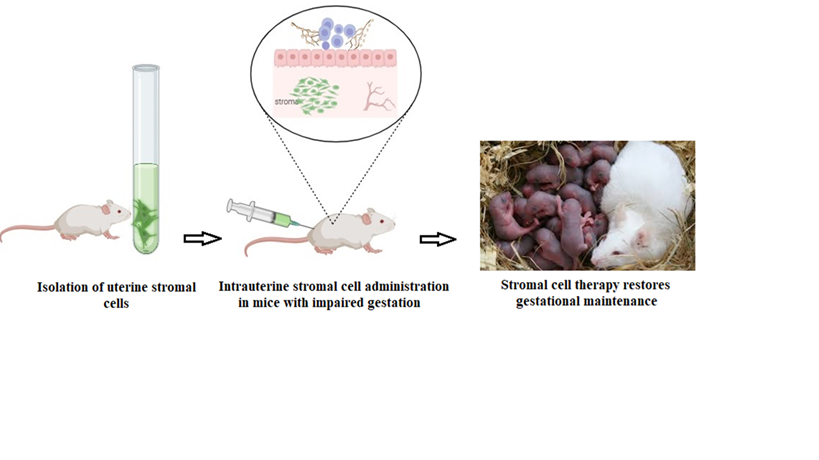
Researchers at this company conducted a study to investigate the underlying causes of gestational loss using abortion-prone laboratory mice. They found that the primary defect in these animals was the insufficient preparation of the uterine lining for embryo implantation. Uterine stromal cells were isolated from healthy mice, cultured in vitro, and then transferred into the uteri of the abortion-prone mice. The results were striking:
- Positive changes in protein expression: Stromal cell therapy, by stimulating the release of immune-regulating factors, rebuilt the uterine lining and controlled inflammation, thereby creating a uterine environment that was both safe and receptive for the embryo.
- Significant reduction in abortion: Injection of stromal cells markedly reduced gestational loss and restored the rate of gestation to normal levels, without affecting either the number of embryos or their birth weights.
- Strengthening the local immune system: Interestingly, this approach did not suppress the mother’s systemic immunity, but selectively enhanced regulatory T lymphocytes within the uterine environment. This modulation prevented the maternal immune system from recognizing the embryo as a foreign entity and rejecting it.
Important conclusion: For embryo survival, a receptive uterine environment is essential, rather than a passive or unprotected one. Researchers at this company have found that intrauterine injection of stromal cells can reprogram the uterine immune environment. These stromal cells prevent gestational loss by modulating immune cells and controlling inflammation. This finding indicates that the uterine lining is not merely a passive scaffold but a critical regulator of immunity during gestation. This advancement opens new avenues for a deeper understanding of the mechanisms underlying recurrent gestational loss and for developing more effective therapeutic strategies.
Click here to read the full text of the article.

Leave a Reply